Saie Beauty’s Marketing Strategy: How Persuasion Psychology Dominates the Clean Beauty Market
Discover the Saie Beauty marketing strategy using the "Foot-in-the-Door" psychological technique to dominate the clean beauty market and build customer loyalty.
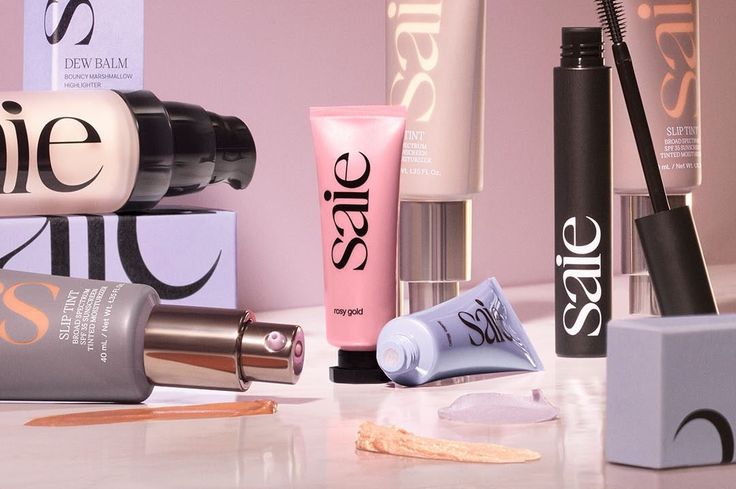
In the modern cosmetics market, a brand’s success is no longer just about the product; it’s about the "behavioural architecture" of the customer journey. Saie Beauty has emerged as a powerhouse clean beauty brand by mastering a specific psychological technique: the Foot-in-the-Door (FITD) mechanism.
While most brands shout for a sale, Saie whispers for a "micro-commitment." By securing small, low-friction "yeses" first, they lead consumers down a path where buying a premium Saie foundation feels like the only logical conclusion.
What is the "Foot-in-the-Door" Technique?
The foot-in-the-door technique is a persuasion strategy where getting a person to agree to a large request is made easier by first having them agree to a modest one.
According to recent search data, interest in this marketing approach has surged by 900%. Saie Beauty applies this by moving consumers through three distinct "behavioural wedges":
Low-Friction Entry: Educational content and quizzes.
Intermediate Commitment: Recycling pledges and community participation.
Macro-Conversion: The final purchase and long-term brand loyalty.
1. The Shade Finder: Turning UX into a Persuasion Tool
One of the most effective examples of Saie’s marketing strategy is their digital Shade Finder. In the beauty market, buying foundation online is high-friction. Saie reduces this friction while simultaneously building a "commitment trap."
The Micro-Yes: Users answer simple questions about their skin.
The Investment: By the time the user sees their recommended Saie foundation shade, they have invested two minutes of their time.
The Result: Psychology shows that humans have a "consistency bias." Having spent time on the quiz, customers feel a psychological need to follow through with the purchase to justify their effort.
2. Sustainability as a Wedge: The "Feel Good, Do Good" Mission
Saie doesn't just claim to be a clean beauty brand; they operationalize their values through initiatives like "The Big Glow" recycling program.
From a persuasion psychology perspective, this is genius. When a customer signs a recycling pledge or participates in a "Climate Neutral" initiative, they are making a public commitment to Saie’s values. Once someone identifies as a "sustainable consumer," they are far more likely to stick with Saie over a competitor to maintain that self-identity.
3. Gamifying the Community: The "Dew Crew" and TYB
Saie’s successful marketing isn't limited to their website. By using platforms like TYB (Try Your Best), they gamify brand loyalty.
Community Challenges: Asking users to vote on new product names or packaging.
Social Consensus: Using "The Dew Crew" to create a sense of belonging.
When a user joins these groups, they aren't just a customer anymore; they are part of the "tribe." This social proof acts as a powerful psychological anchor, making it nearly impossible for them to churn to another brand in the crowded cosmetics market.
Conclusion: Why Behavioural Architecture is the Future
Saie’s successful marketing isn't limited to its website. By using platforms like TYB (Try Your Best), they gamify brand loyalty.
For marketers looking to replicate this success, the lesson is clear: Don’t ask for the sale first. Ask for the "micro-yes."