How Ryanair’s Marketing Strategy Uses Psychology to Turn Inconvenience into Profit
Explore the behavioral psychology behind Ryanair’s success. Learn how the "low-ball technique" and strategic friction turn cheap flights into a billion-euro marketing strategy.
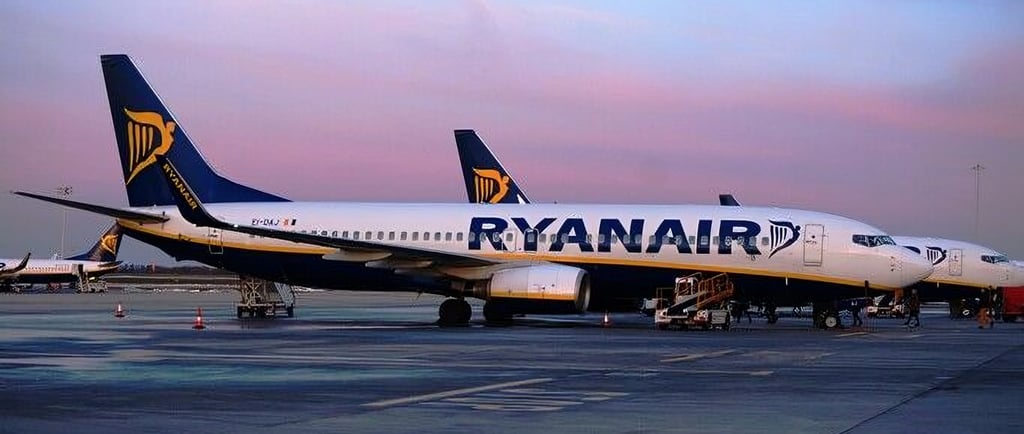
We’ve all experienced the "Ryanair Effect." It starts with a Ryanair flight deal for the price of a sandwich, perhaps €14.99, and ends with a checkout screen totalling €90 after bags, seats, and fees.
While many call this "frustrating," in the world of behavioural psychology, it is considered a masterclass in commercial architecture. By treating the flight seat as a loss leader, Ryanair has turned the "low-cost carrier" model into a high-margin psychological funnel.
Here is how the Ryanair marketing strategy uses the science of persuasion to dominate the European skies.
1. The "Low-Ball Technique": Securing the Psychological Commitment
At the heart of Ryanair’s success is the low-ball technique. In persuasion psychology, this involves securing a commitment to an initial, highly attractive offer before revealing the "true" cost.
The Initial Hook: By offering Ryanair cheap flights at prices that seem impossible, the airline triggers a "click-first" mental state.
Consistency Principle: Once you select a flight and enter your personal details, your brain moves from "shopping" to "committed." Psychologically, humans have a deep-seated need to be consistent with their initial choices. Even as the price rises, backing out feels like a failure of your own decision-making.
2. Drip Pricing: The Art of the Incremental Spend
Ryanair doesn't show you the full Ryanair flight cost upfront. Instead, they use Drip Pricing, a marketing tactic where fees are revealed sequentially.
By the time you reach the "Cabin Bag" or "Priority Boarding" page, you have already invested 10 minutes in the booking process. This triggers the Sunk Cost Fallacy: you feel that you’ve already "spent" too much time to walk away now, so you justify the extra €20 for a suitcase just to get the transaction over with.
3. Monetizing Friction: Why the "Random Seat" is Genius
Most airlines try to reduce customer friction; Ryanair celebrates it. Their "random seat allocation" is a strategic marketing initiative designed to create discomfort.
By intentionally separating groups and placing passengers in middle seats, Ryanair creates a "problem" (the fear of being separated or uncomfortable). They then sell you the solution (reserved seating). This is the industrialization of friction, turning a minor inconvenience into ancillary revenue, which reached a staggering €4.30 billion in 2024.
4. Brand Personality: Controversy as a Marketing Tactic
Unlike traditional airlines that spend millions on "prestige" advertising, Ryanair’s marketing strategy thrives on being the "un-airline."
Through their social media presence and CEO Michael O’Leary’s public statements, they embrace a "no-frills, no-nonsense" persona. This serves a dual purpose:
Lowers Expectations: If you expect nothing, you can’t be disappointed.
Free PR: By suggesting "pay-per-toilet" or "standing-room only" flights, they generate millions in earned media coverage without spending a cent on traditional ad buys.
5. The Financial Reality: Why it Works
The results of this behavioural architecture are undeniable. In the 2024 fiscal year, Ryanair reported:
Profit After Tax: €1.92 Billion.
Ancillary Revenue: 33% of total revenue.
Load Factor: 94% (virtually every flight is full).
While regulators in Spain and Italy are increasingly scrutinizing Ryanair's hidden costs and "abusive" baggage fees, the airline's model remains the most resilient in the aviation industry.
The Results: A Billion-Euro "Switch"
Does it work? The numbers are staggering. In Fiscal Year 2024, Ryanair didn't just break even; they posted a profit after tax of €1.92 billion.
But here is the key metric: Ancillary Revenue.
Ryanair made €4.30 billion just from "extras": bags, seats, and priority boarding. On average, every passenger spends about €23.40 on top of their ticket price. That initial €19.99 fare is just the hook; the real money is made in the upsell.
The Bottom Line for Marketers
The Ryanair marketing strategy proves that consumers don't just buy products; they navigate psychological funnels. By understanding the low-ball technique and the power of the consistency principle, Ryanair has proven that you don't need to be liked to be profitable, you just need to be understood.