The Psychology of Spice: How Samyang Used "Ingratiation" to Seduce the World
How did a spicy noodle challenge lead to a multi-billion-dollar financial flip? We explore the psychology behind Samyang’s rise, from viral chaos to global demand.
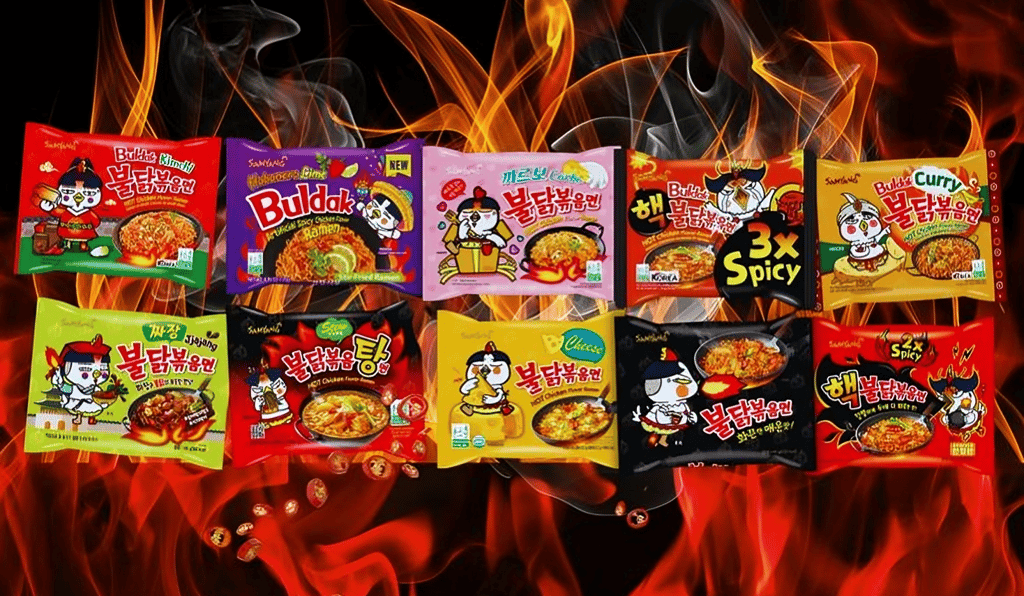
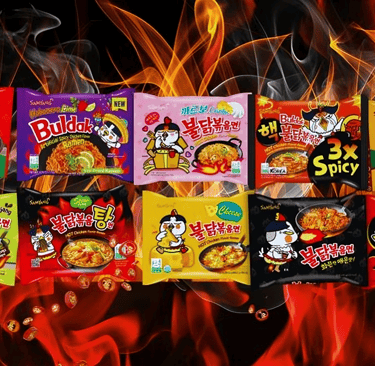
If you’ve scrolled through TikTok or YouTube in the last decade, you’ve likely seen someone sweating, crying, and panicking over a bowl of black-and-red noodles. The "Fire Noodle Challenge" isn't just a viral trend; it's the tip of the spear in one of the most sophisticated psychological marketing campaigns in modern food history.
Samyang Foods, once a stagnant player in the South Korean noodle market, has recently overtaken its giant rival, Nongshim, in operating profit. How? They didn't just sell spicy noodles. They mastered the art of Ingratiation, a social psychology strategy designed to make people like you.
Here is how Samyang used the four pillars of ingratiation to turn pain into profit.
1. Other-Enhancement: Flattery Through Fire
In psychology, "Other-Enhancement" is just a fancy word for flattery. You make the target feel good about themselves.
Samyang realized early on that their product wasn't just food; it was a test. By marketing Buldak as a "challenge" rather than a meal, they flattered their customers' egos. When you finish a bowl of Buldak, the brand validates you. You aren't just hungry; you are brave. You are a survivor.
The Masterstroke: When a young girl in Texas went viral for crying tears of joy over Buldak Carbonara, Samyang didn't just send a coupon. They drove a pink truck to her house and threw her a party. This act validated her obsession and signalled to millions of other fans: "We see you, and your passion makes you special."
2. Opinion Conformity: Fitting In to Stand Out
"Opinion Conformity" is about agreeing with your target's values to build trust. For a global brand, this is tricky, but Samyang nailed it by adapting to local cultures without losing its soul.
Respecting Religion: In Indonesia (the world's second-largest noodle market), Samyang didn't just slap a sticker on the package. They retooled their supply chain for rigorous Halal certification and even rebranded to "Samyang Green" to align with Islamic cultural colours. They agreed with their customers that Halal values were non-negotiable.
Speaking Gen Z: For the younger "Zalpha" generation, food is content. Samyang pivoted its slogan to "Play Buldak," launching metaverse games in Zepeto and collaborating with K-Pop groups. They confirmed the Gen Z belief that consumption is performance.
3. Self-Presentation: The "Rebel" Persona
If you want people to like you, you have to be interesting. "Self-Presentation" is how you curate your own image.
While their competitor, Nongshim, acted like the "Traditional Ruler" (serious, heritage-focused), Samyang adopted the persona of the "Rebellious Jester."
Meet Hochi: Their mascot isn't a cute, passive animal. Hochi is a chaotic, confident chicken obsessed with spice. He allows the brand to be cheeky and fun.
Spicy or Nothing: When Denmark recalled Buldak noodles for being "too spicy" (fearing acute poisoning), Samyang didn't apologize. They wore it as a badge of honour. They effectively said, "The government certifies that we are the toughest noodles on Earth." It was the ultimate "cool kid" move.
4. Favour Rendering: The Law of Reciprocity
The final tactic is simple: Do someone a favour, and they will feel obligated to return it.
Samyang’s "Splash Buldak" campaign in the US is a perfect example. They set up "Sauce Exchange" pop-ups where people could trade in "boring" leftover sauce packets for a full bottle of Buldak sauce and free food.
By giving away value (premium sauce) for trash (old packets), they triggered the reciprocity norm. Customers walked away feeling like they "won," creating a deep reservoir of goodwill that translates into brand loyalty and advocacy.
The Result: A Historic Financial Flip
This psychological warfare has paid off, literally.
Profit Surge: In 2024, Samyang’s operating profit hit ~350 billion KRW, overtaking Nongshim for the first time.
Global Domination: While Nongshim fights for the domestic Korean market, Samyang exports over 80% of its product.
Market Cap: Investors have valued this growth strategy at ~6.2 Trillion KRW, nearly triple that of their main rival.
Conclusion
Samyang Foods proves that in the modern attention economy, taste is secondary to identity. By making their customers feel brave, understood, and entertained, they built a tribe, not just a customer base. They didn't just make the world's spiciest noodle; they made the world's most likeable one.